Do Your Own Research! Don’t Believe Hype!
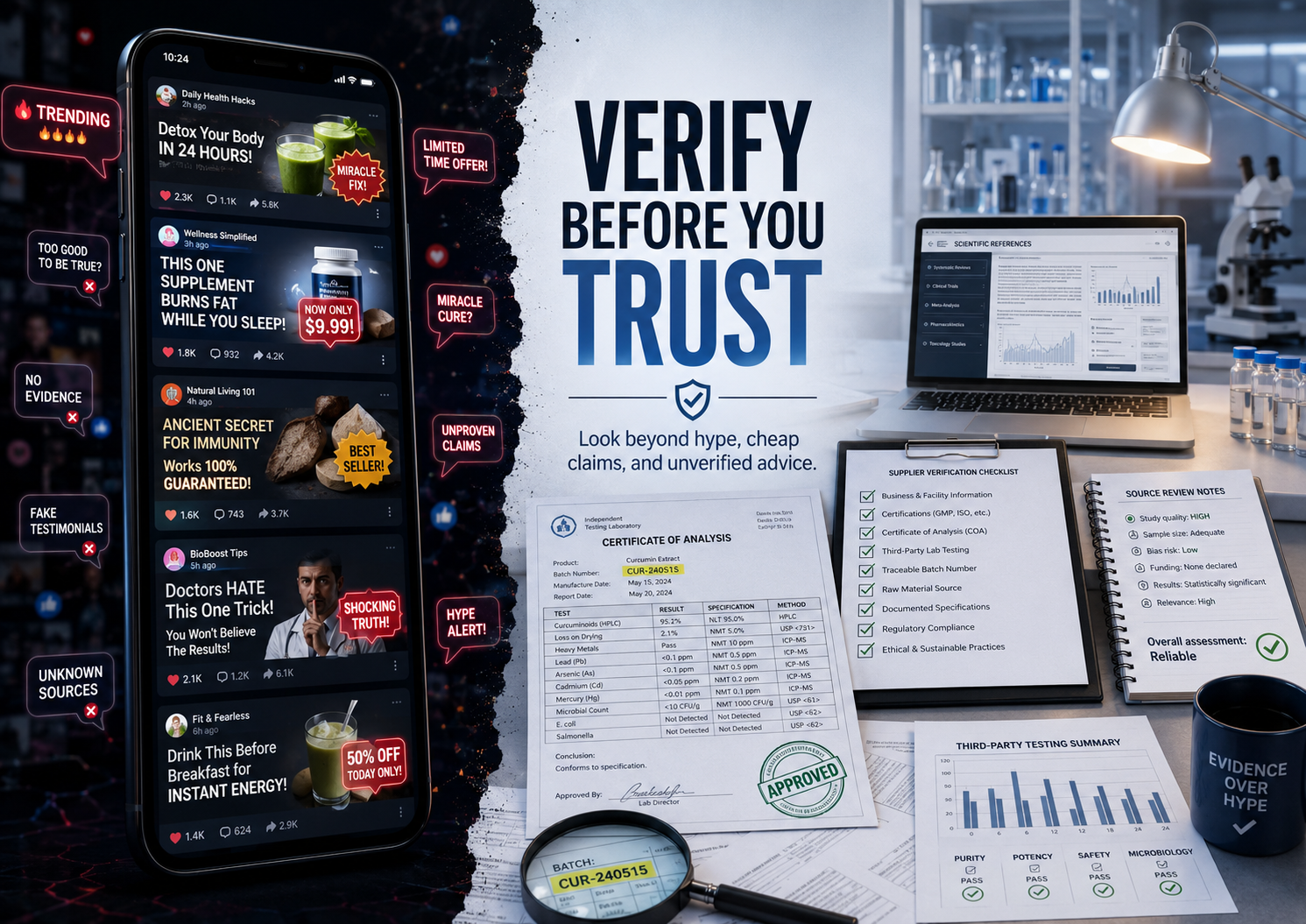
Evidence Literacy, Supplier Verification & Responsible Research Social Media Health Claims: Research Before You Trust the Hype This detailed guide explains why social media…
12 min readRead article
Explore the ideas, questions, and explanations behind the headlines.
Evidence Literacy, Supplier Verification & Responsible Research Social Media Health Claims: Research Before You Trust the Hype This detailed guide explains why social media…
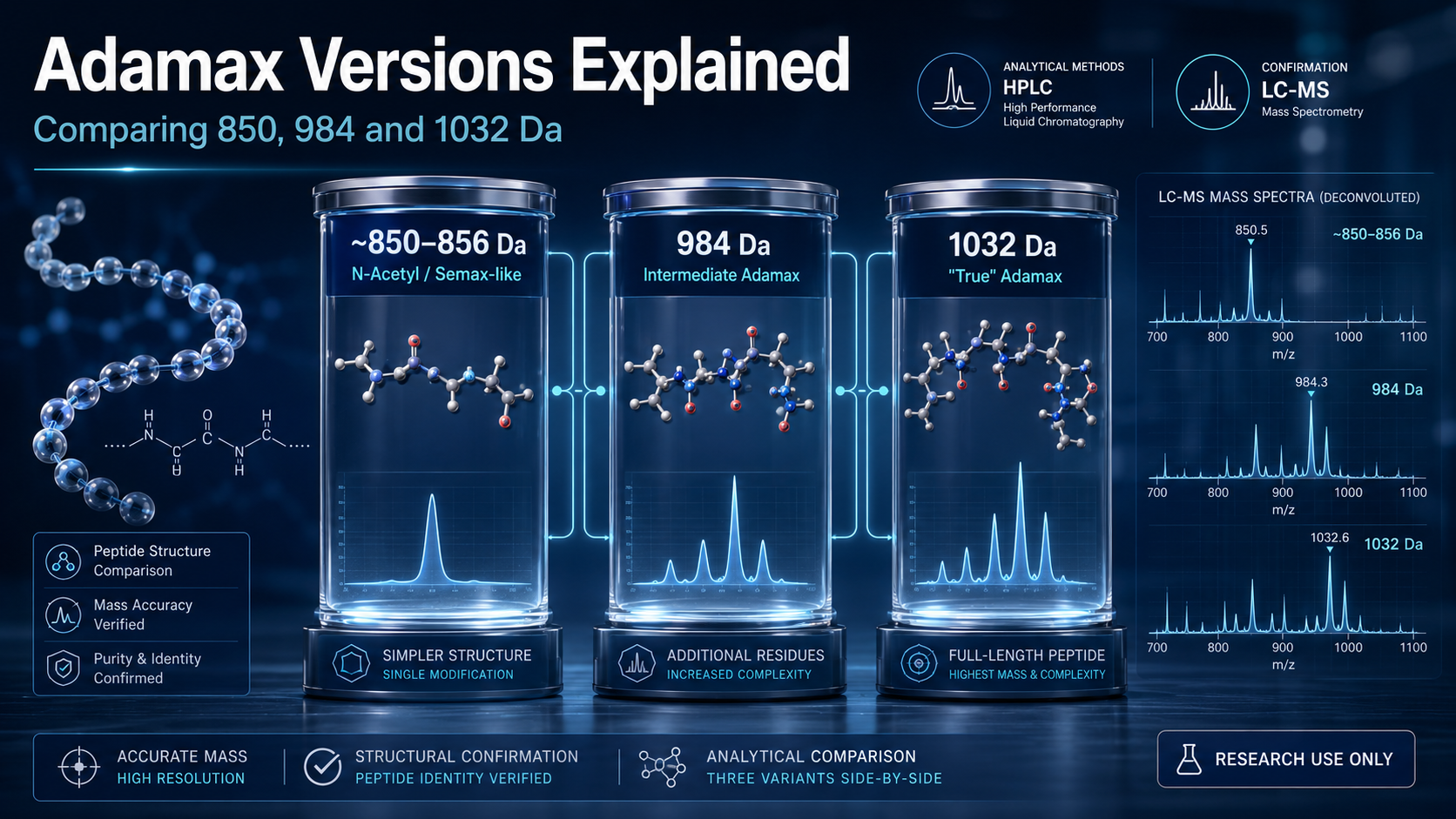
Laboratory Identity & Analytical Guide Adamax Versions Comparison: 850, 984, and 1032 Da Explained First, This Adamax versions comparison examines the three molecular-weight categories…
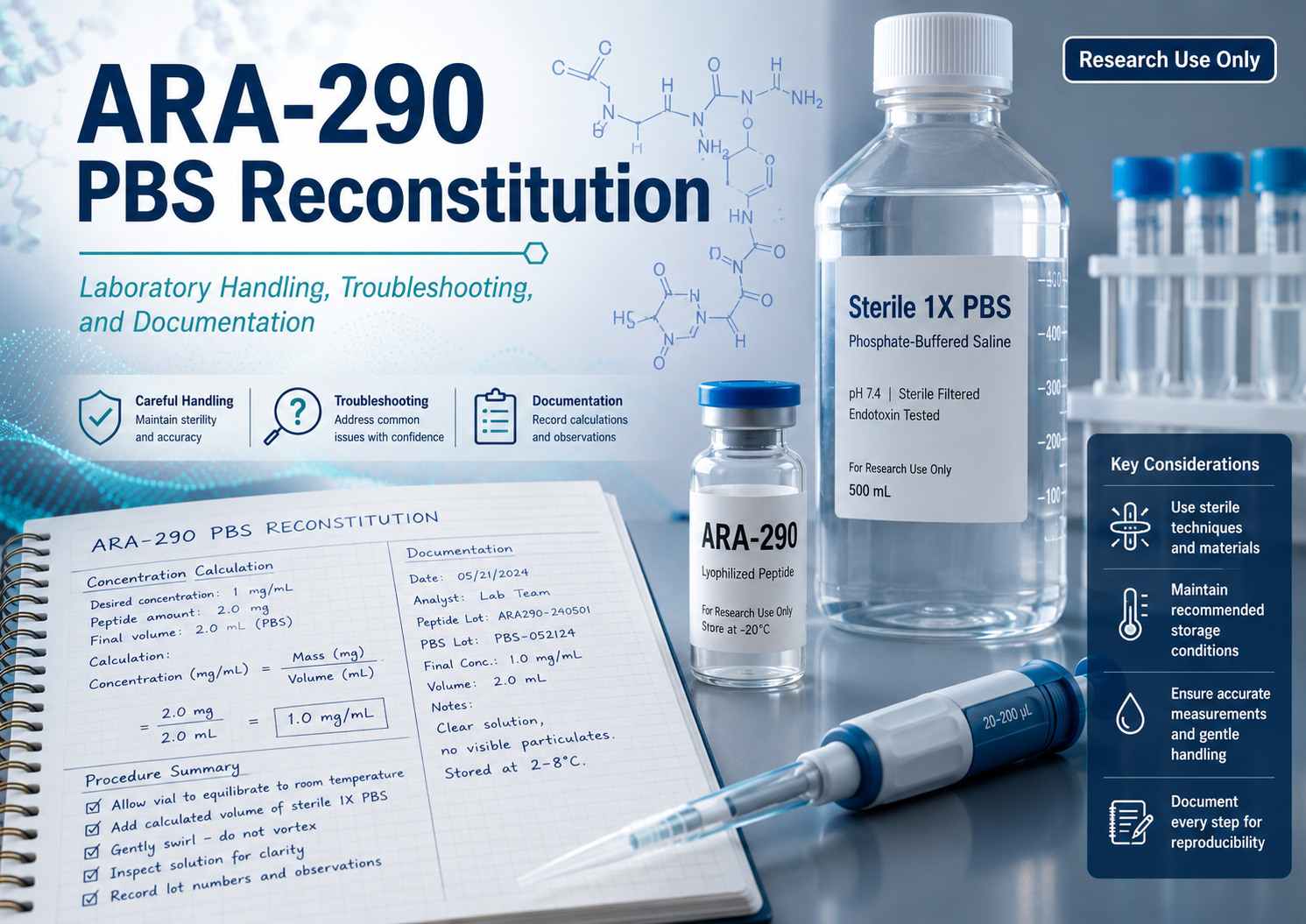
Laboratory Research Guide ARA-290 PBS Reconstitution: Laboratory Handling, Troubleshooting, and Documentation For example, This ARA-290 PBS reconstitution guide covers phosphate-buffered saline specifications, laboratory concentration…
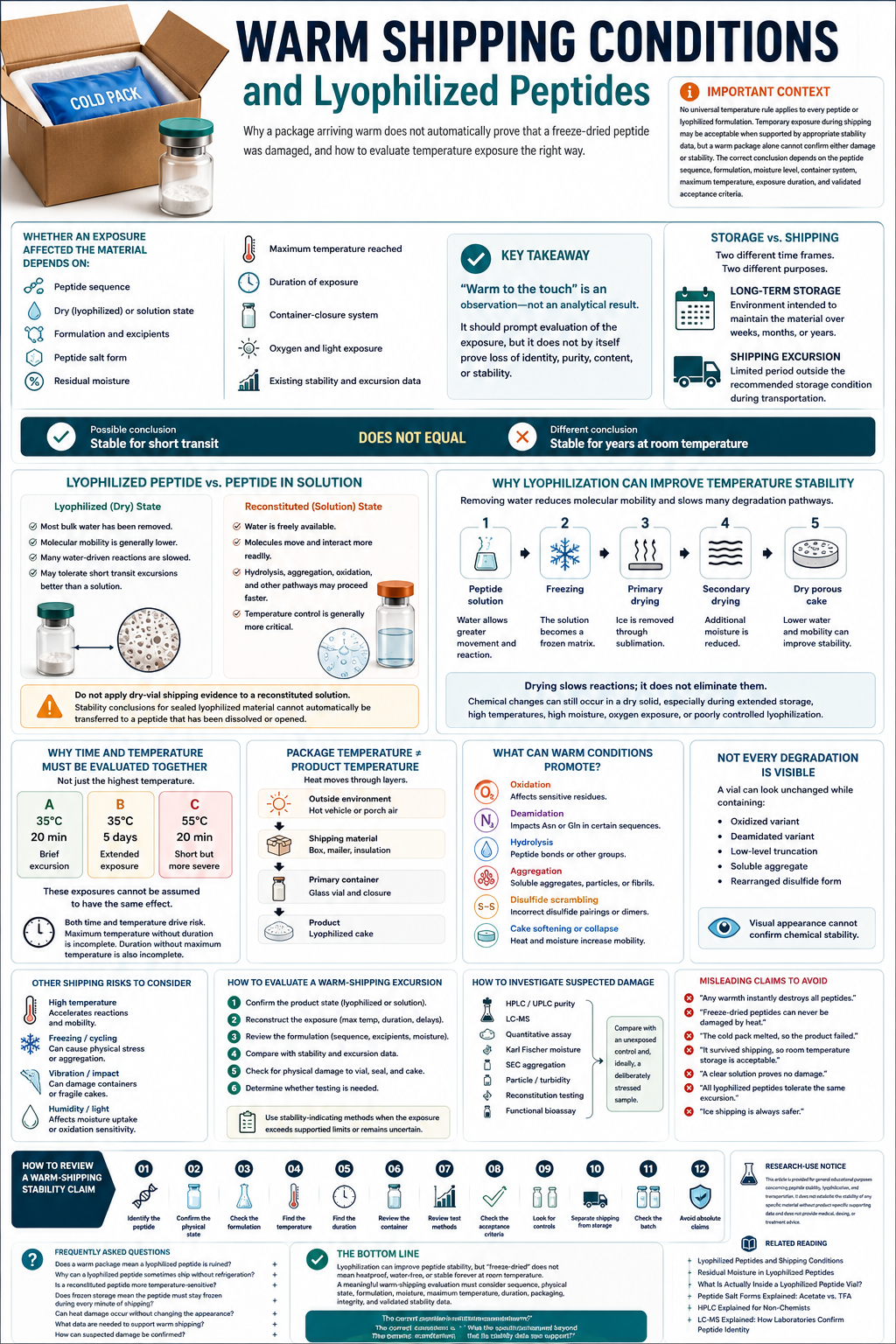
Why a package arriving warm does not automatically prove that a freeze-dried peptide was damaged, how short shipping excursions differ from long-term storage, and…
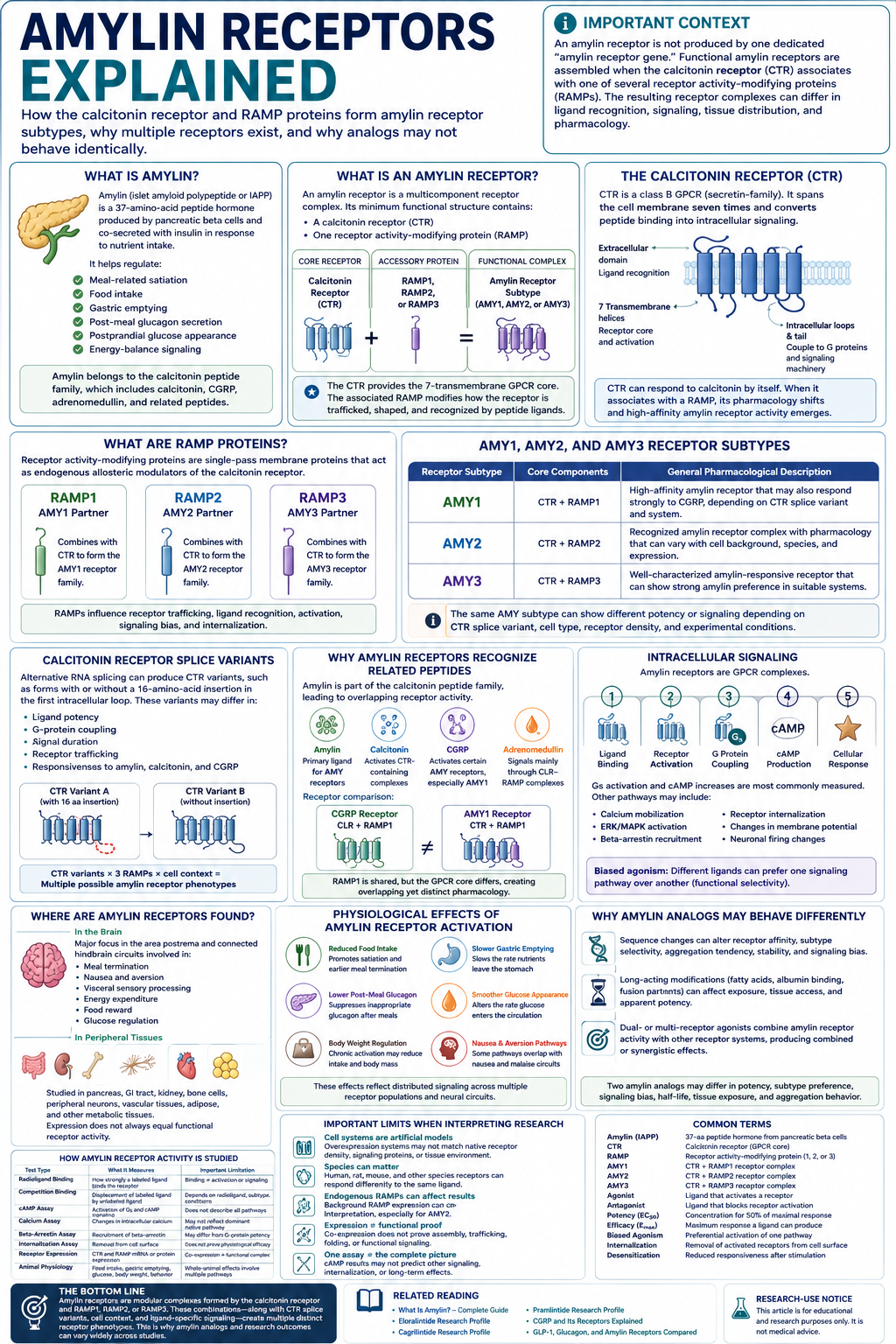
How the calcitonin receptor and receptor activity-modifying proteins combine to form amylin receptors, why multiple receptor subtypes exist, and why amylin analogs may not…
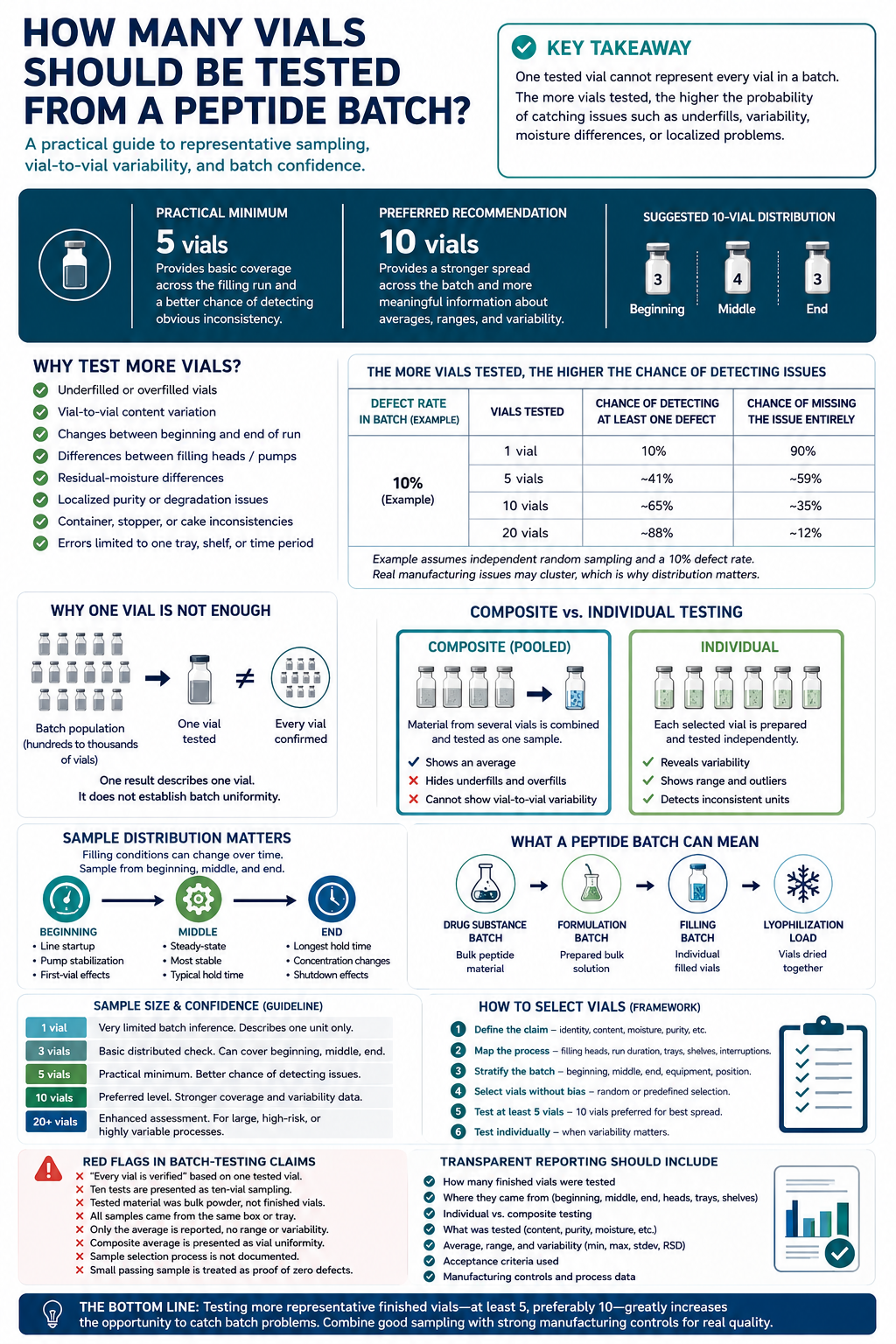
Why one tested vial cannot prove that every vial is identical, how representative sampling works, and why testing more vials increases the probability of…
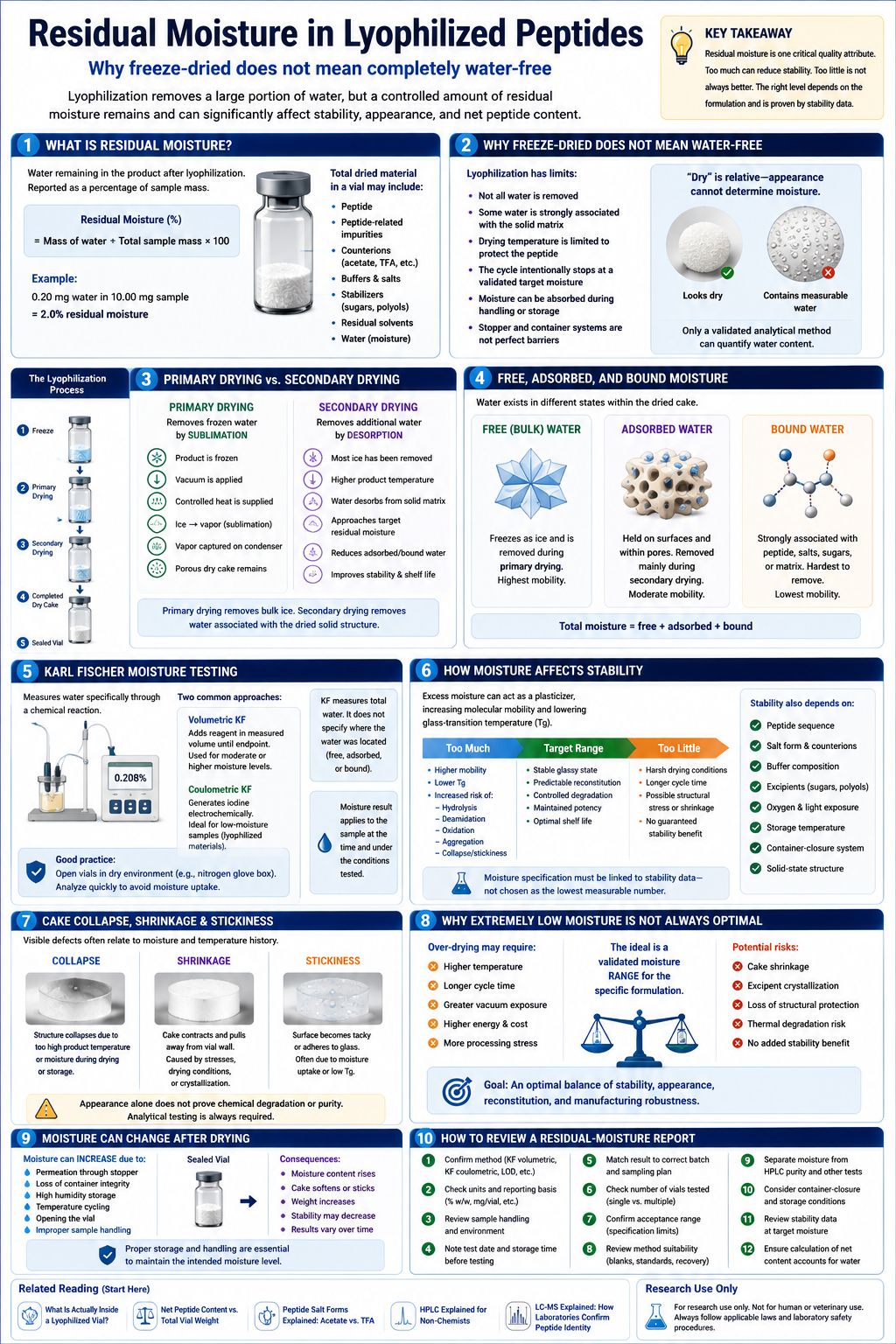
Lyophilization removes a large portion of water from a frozen formulation, but it does not ordinarily produce a material containing absolutely zero water. The…
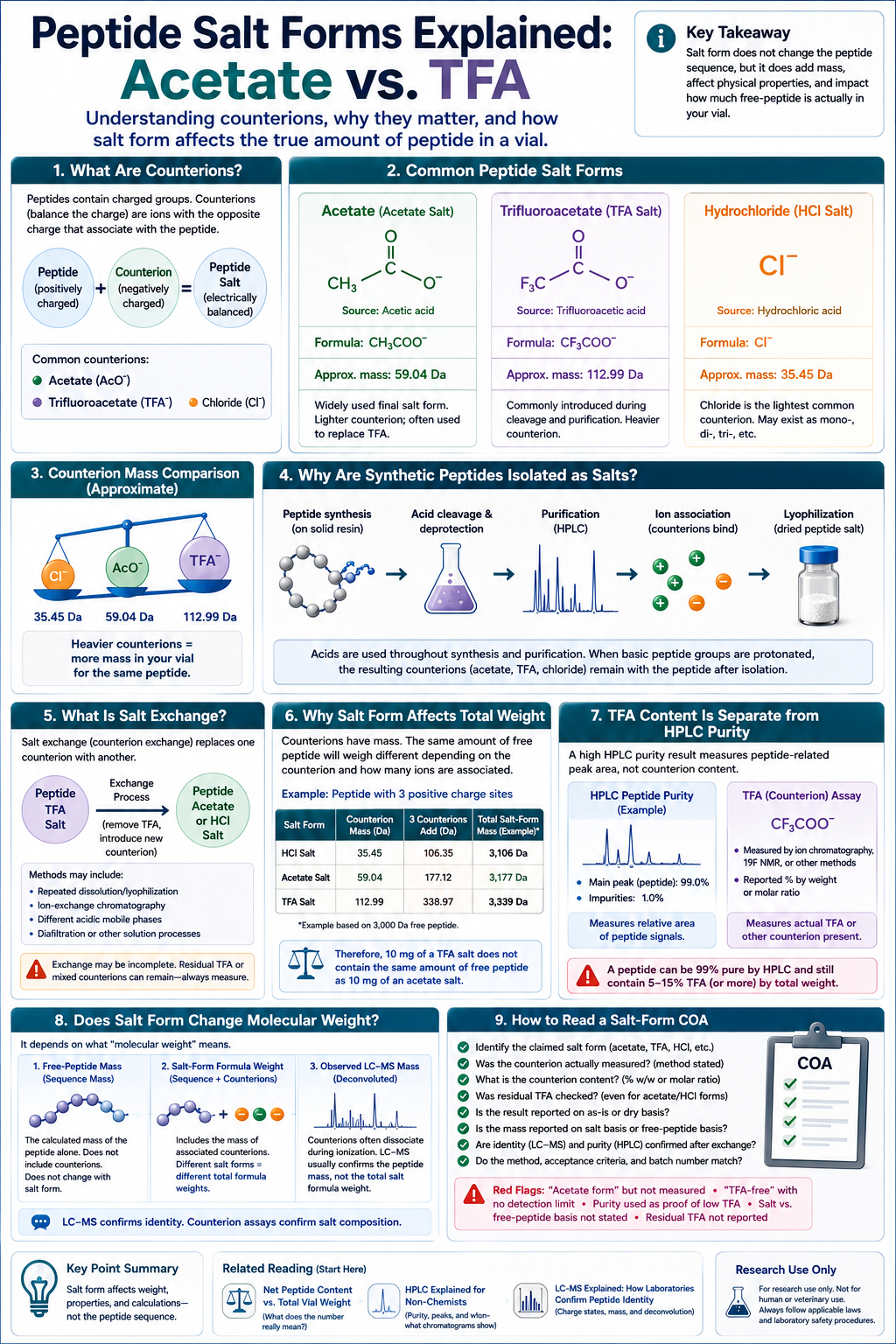
A peptide’s salt form is not the same thing as its amino-acid sequence or chromatographic purity. Counterions add measurable mass to dried material, can…
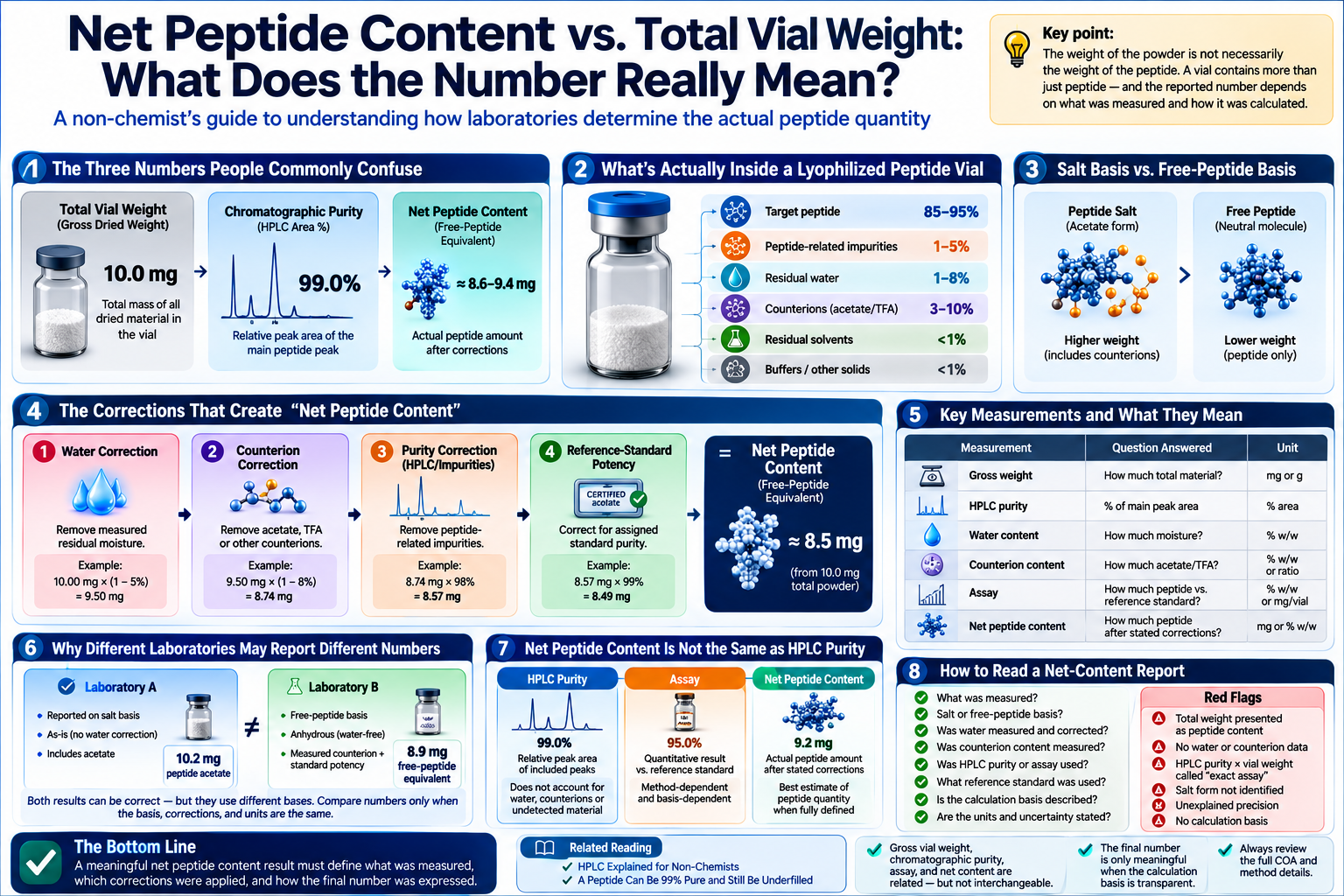
The weight of dried material in a vial is not automatically the weight of the peptide itself. A lyophilized sample may also contain water,…
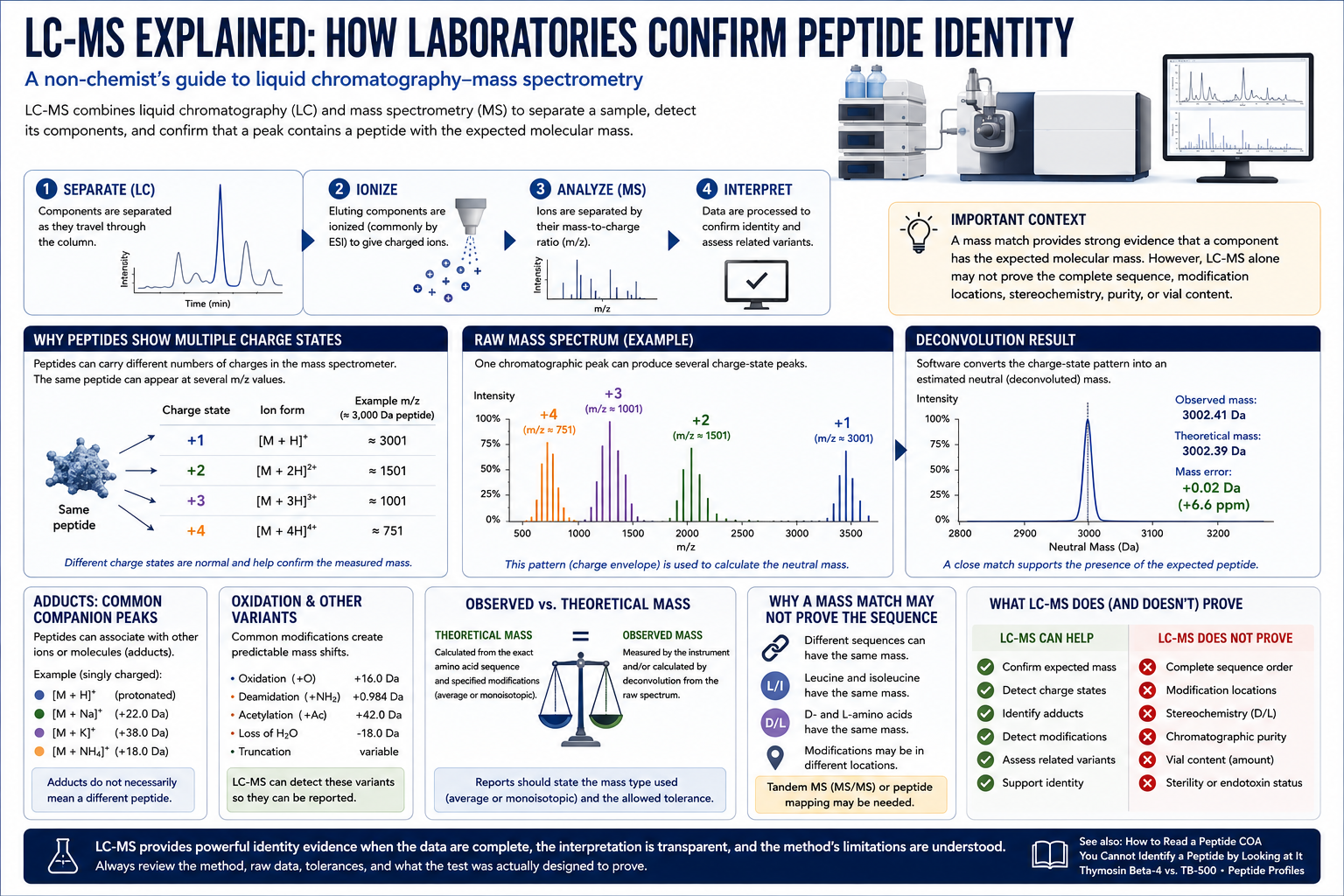
LC-MS can provide strong evidence that a sample contains a compound with the expected molecular mass. However, an intact-mass match alone may not prove…