Net Peptide Content vs. Total Vial Weight: What Does the Number Really Mean?
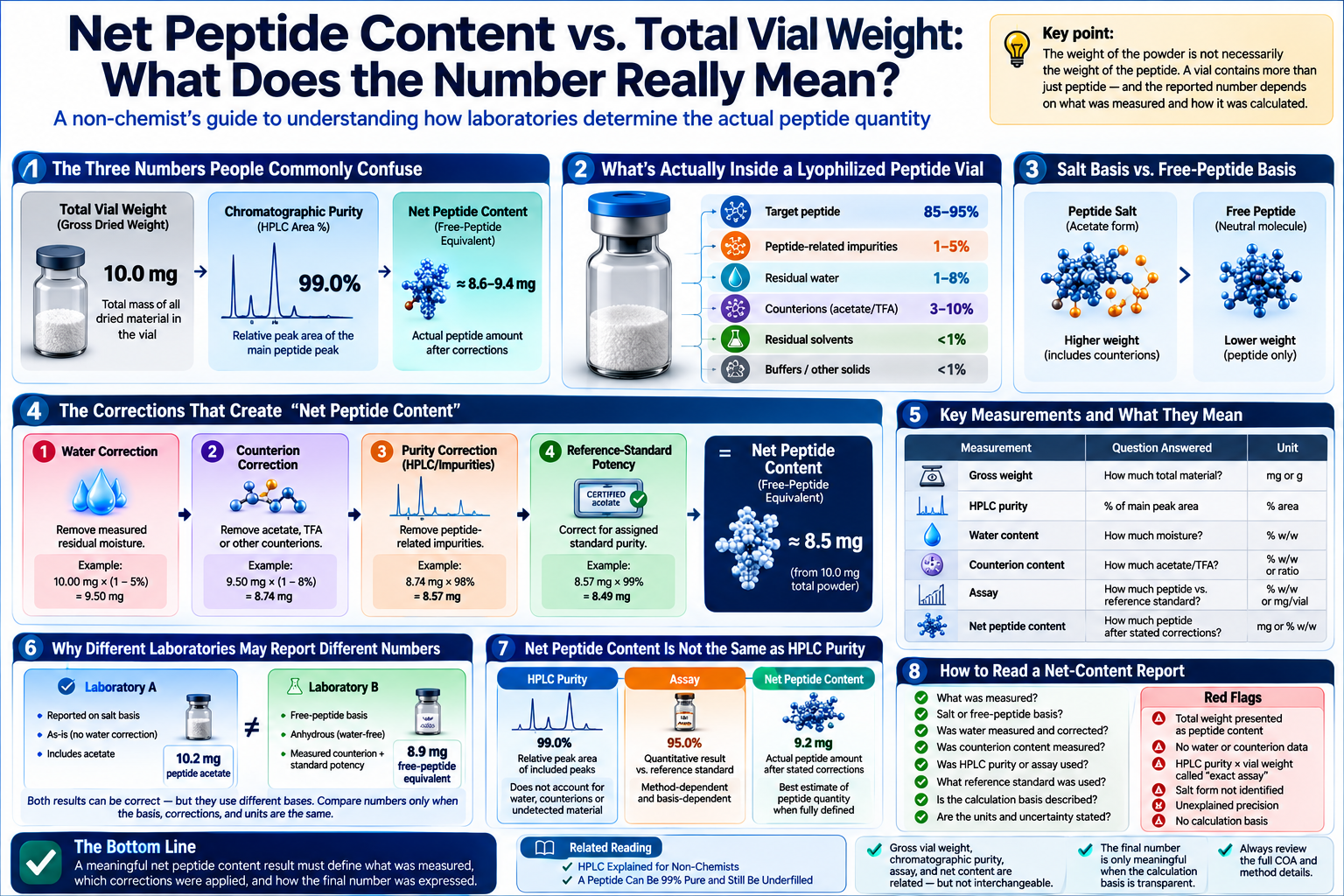
The weight of dried material in a vial is not automatically the weight of the peptide itself. A lyophilized sample may also contain water,…
19 min readRead article
Explore the ideas, questions, and explanations behind the headlines.
The weight of dried material in a vial is not automatically the weight of the peptide itself. A lyophilized sample may also contain water,…
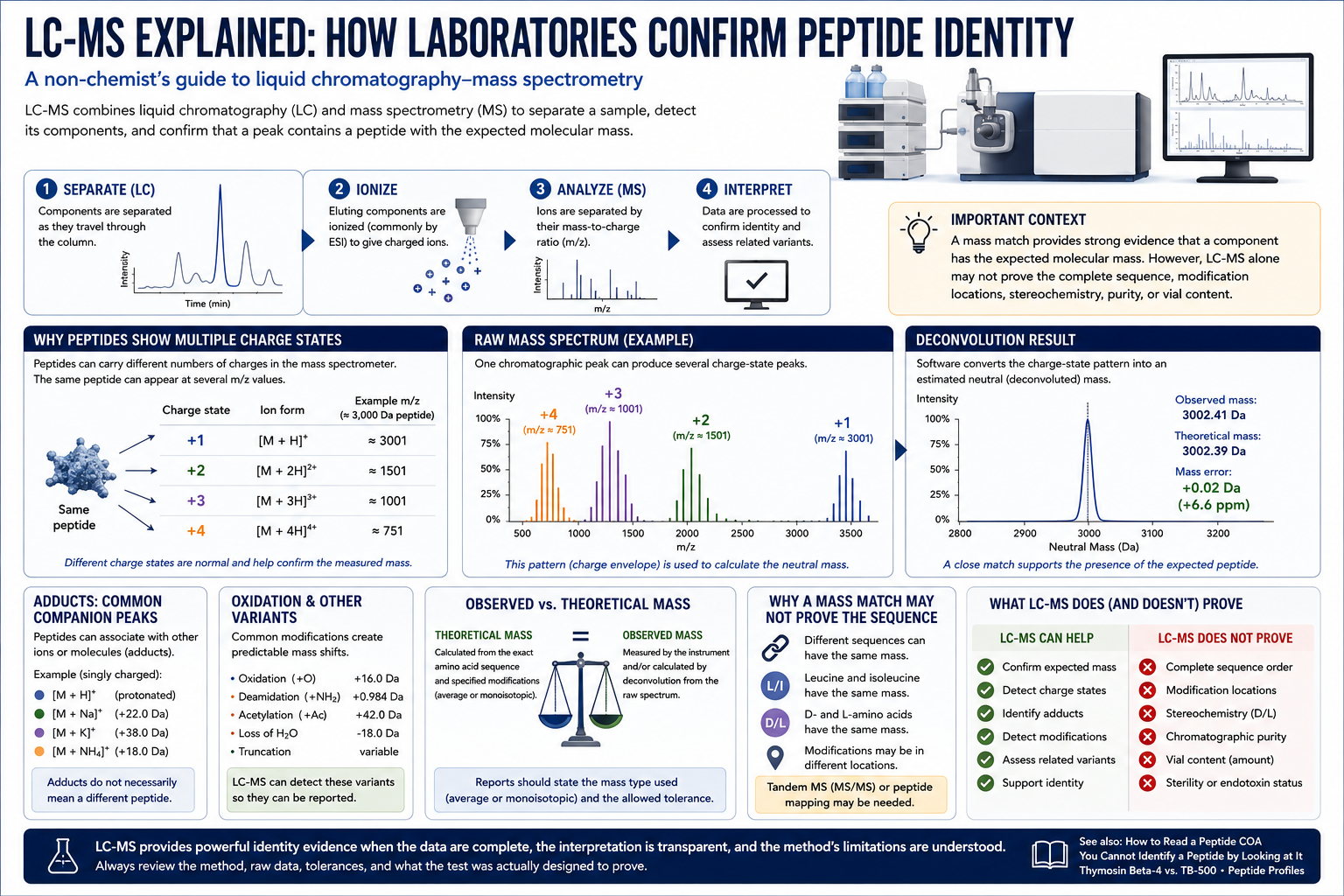
LC-MS can provide strong evidence that a sample contains a compound with the expected molecular mass. However, an intact-mass match alone may not prove…
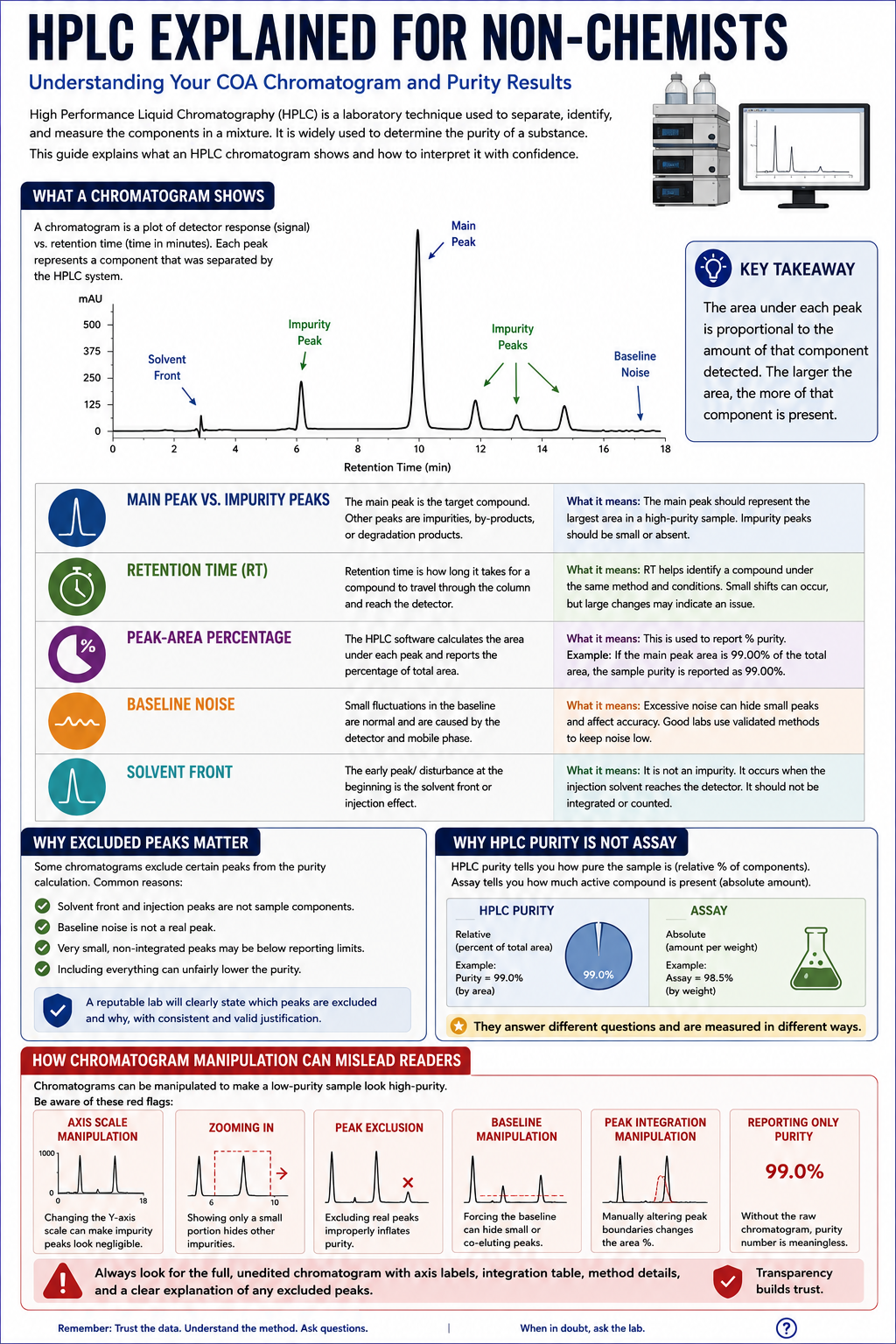
HPLC stands for high-performance liquid chromatography. It is a laboratory technique used to separate compounds within a liquid sample so that they can be…
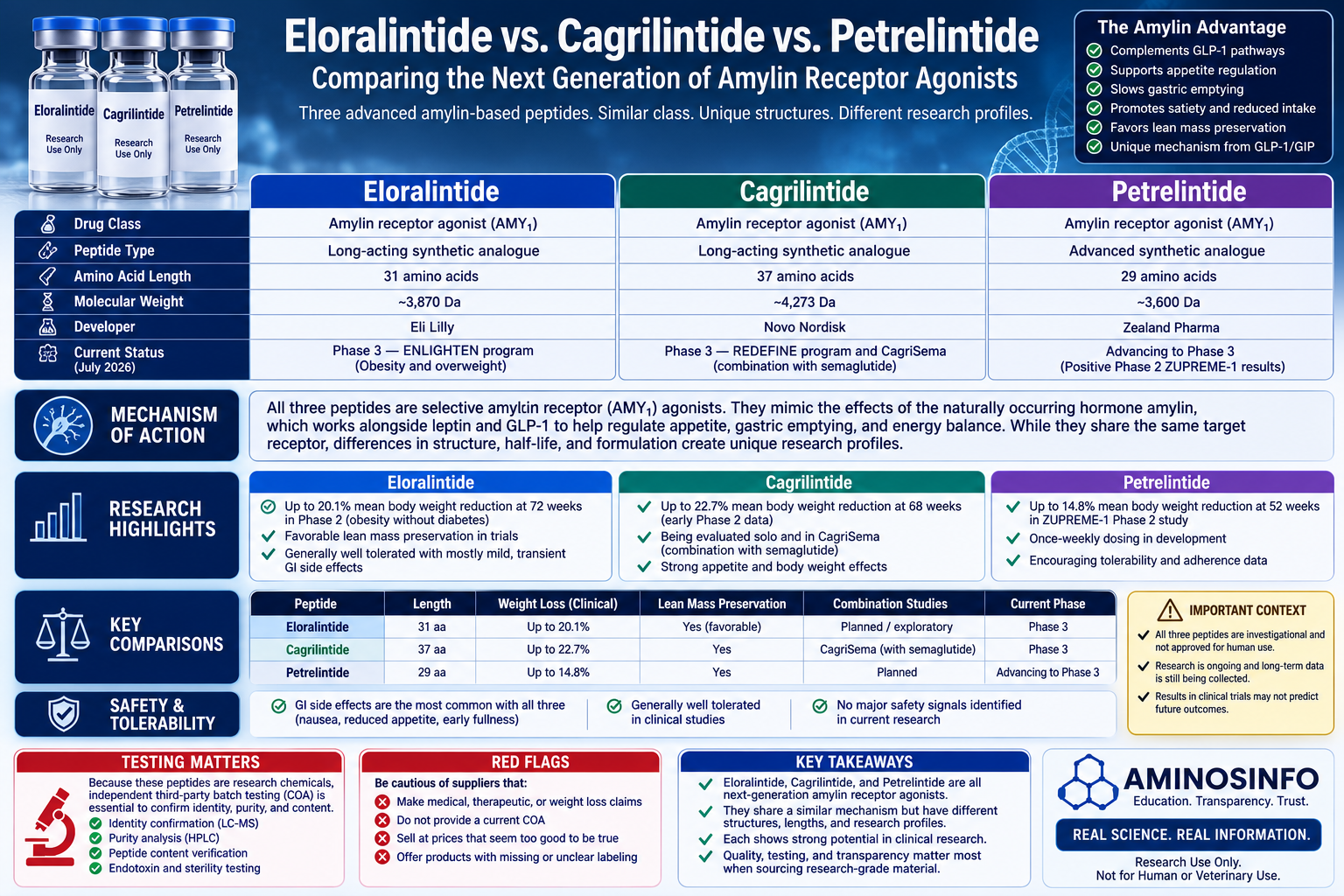
All three are investigational, long-acting amylin-based candidates being studied for weight management. They are not identical copies of amylin, and they do not share…
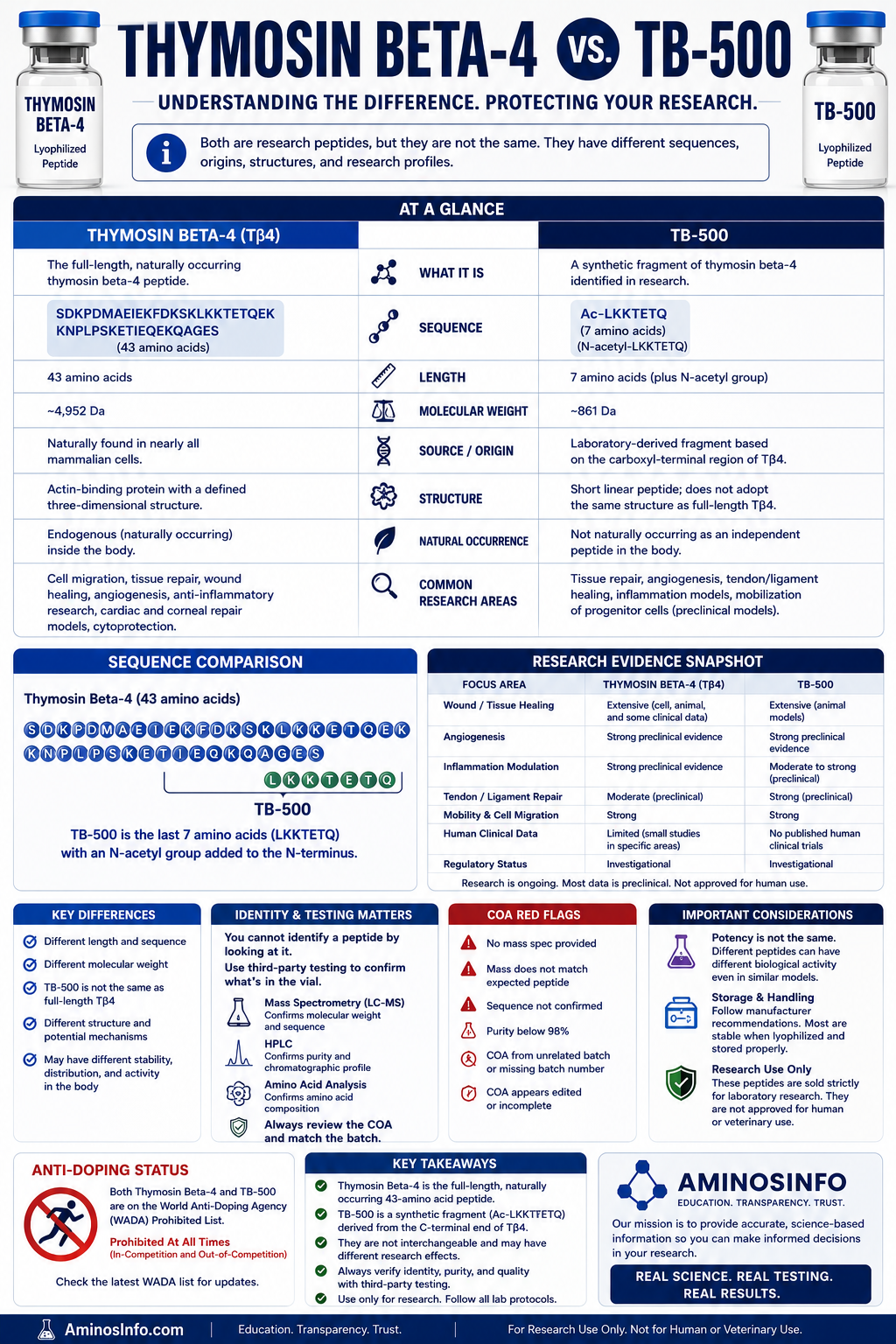
These names are often used as though they describe the same molecule. Scientifically, that can be misleading. Thymosin beta-4 is a naturally occurring, 43-amino-acid…
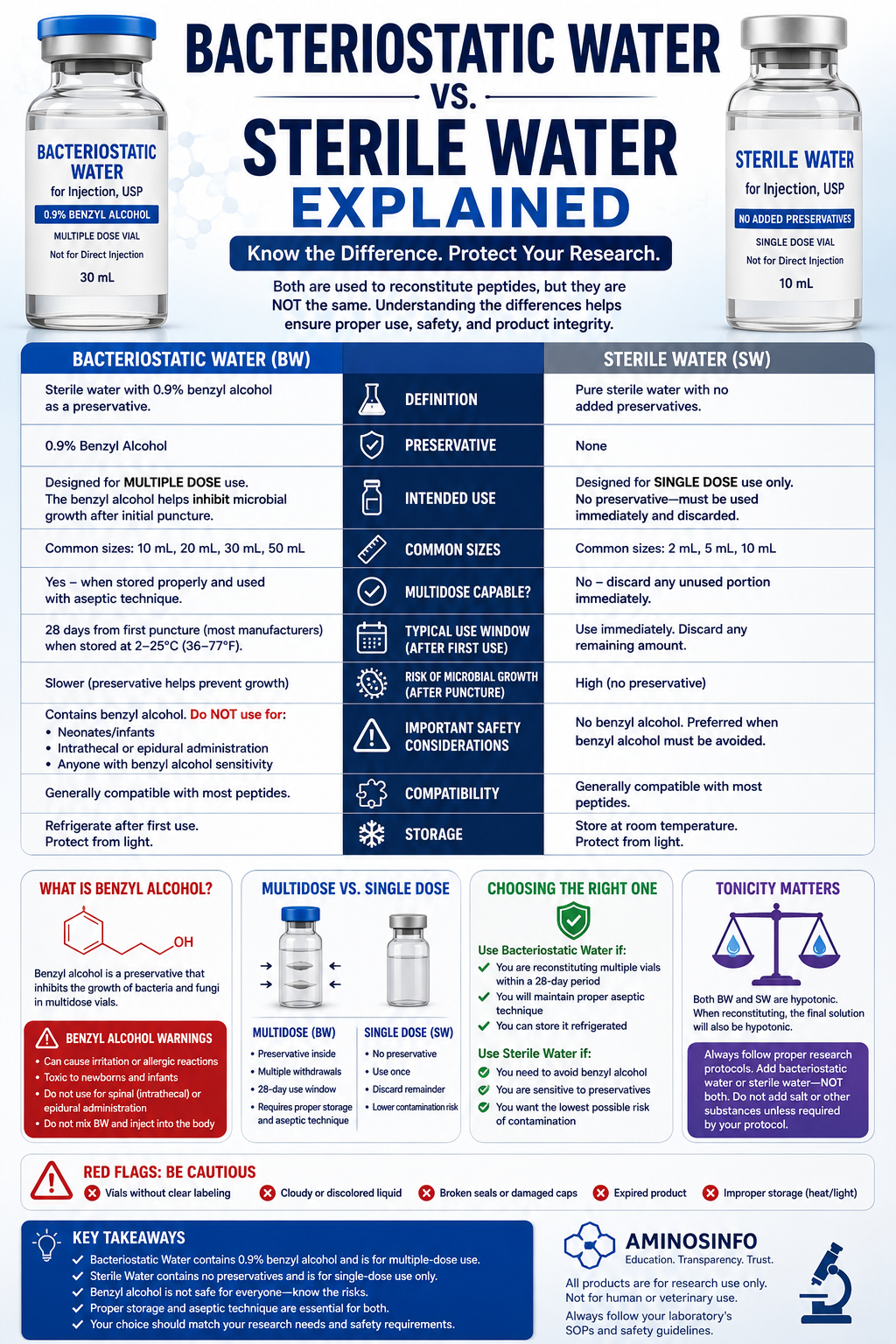
Both products can appear as clear, colorless water, but they are not identical. Their preservative content, package type, compatibility, withdrawal expectations, warnings, and intended…
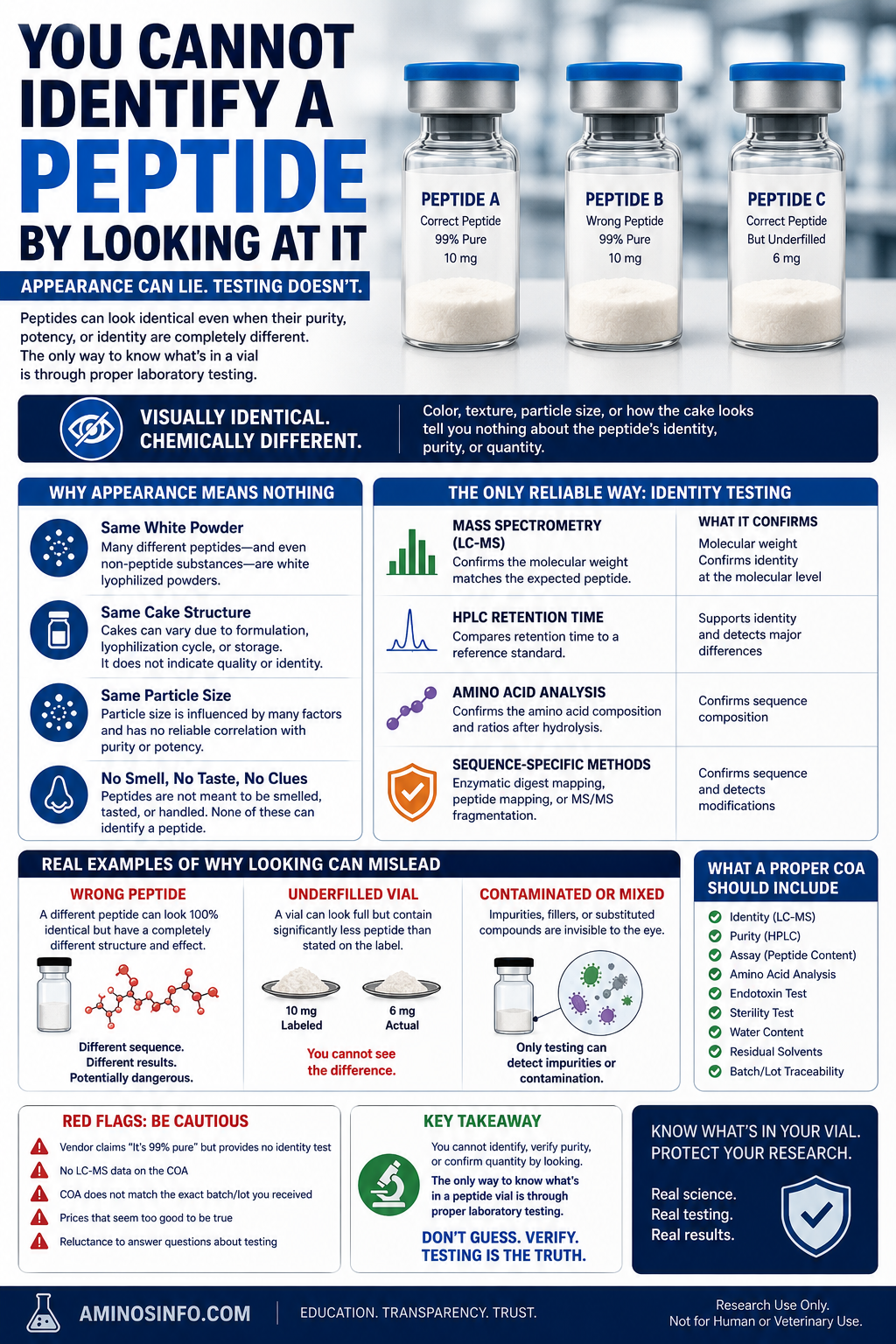
Color, cake size, powder texture, clarity, smell, packaging, and label claims can provide observations. They cannot prove which peptide is present. Identity requires analytical…
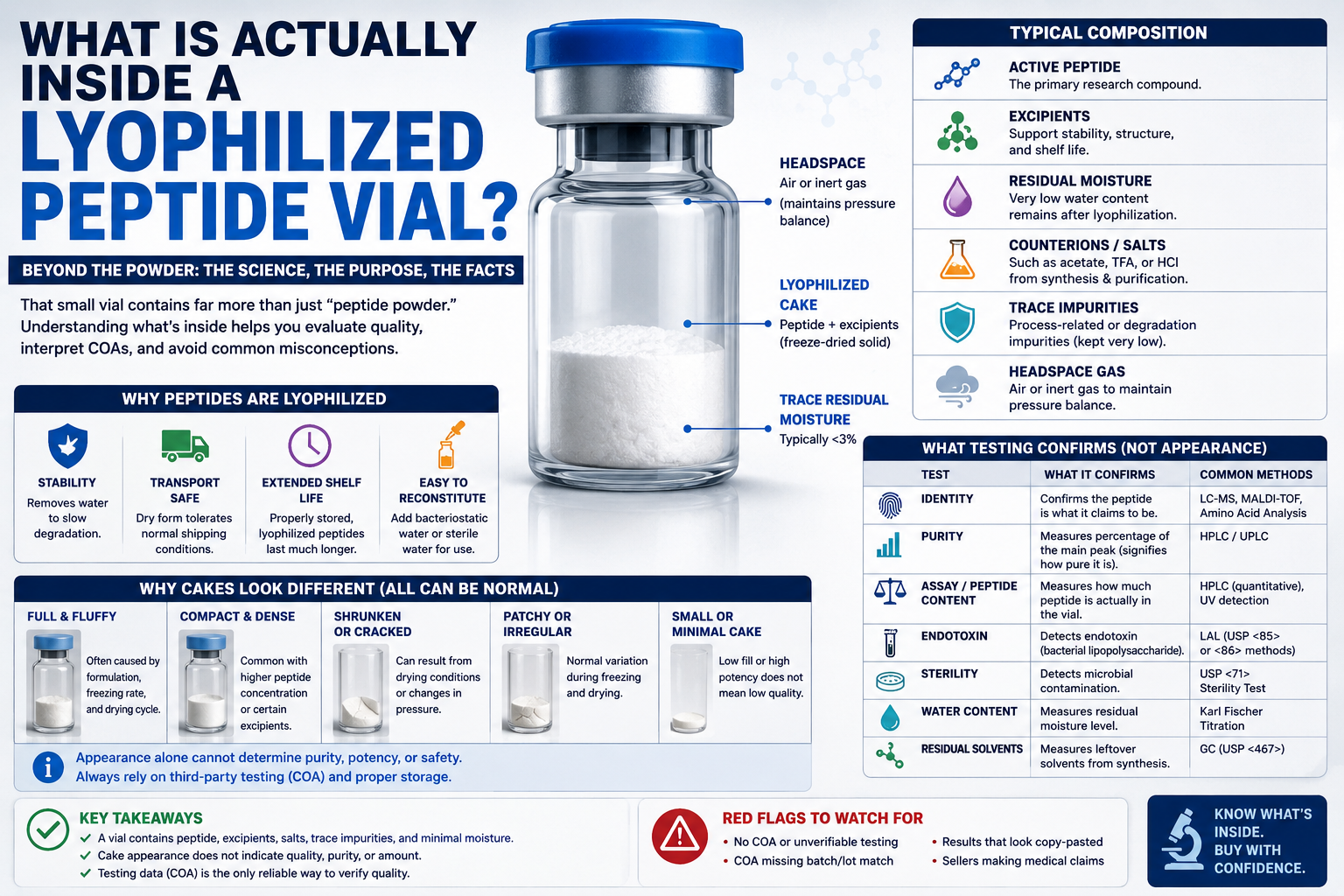
The visible cake is not necessarily pure peptide. A freeze-dried vial may contain the target peptide along with formulation ingredients, counterions, residual moisture, process…
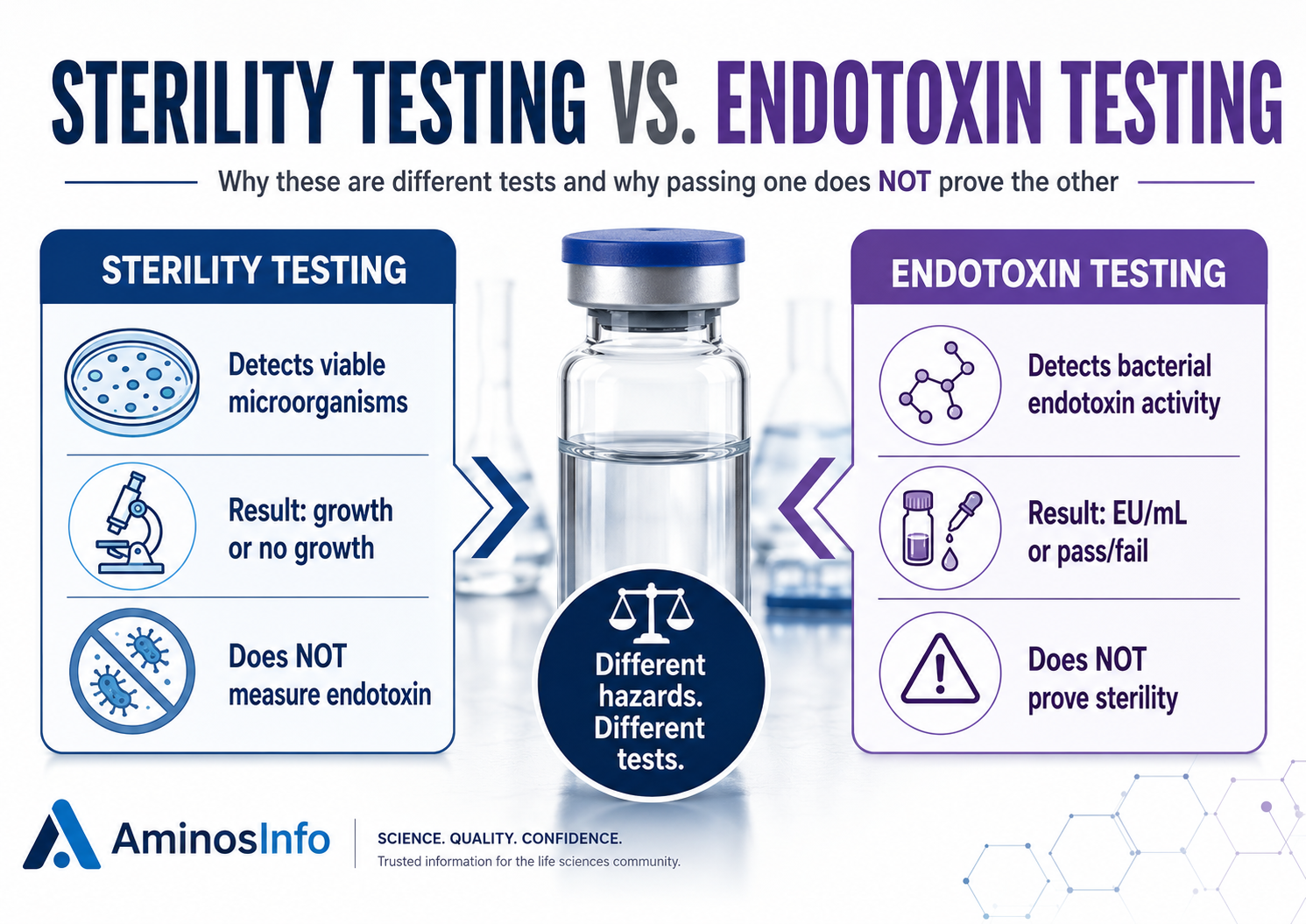
Sterility and bacterial endotoxin tests address different contamination risks. One looks for viable microorganisms under defined test conditions. The other detects or quantifies endotoxin…
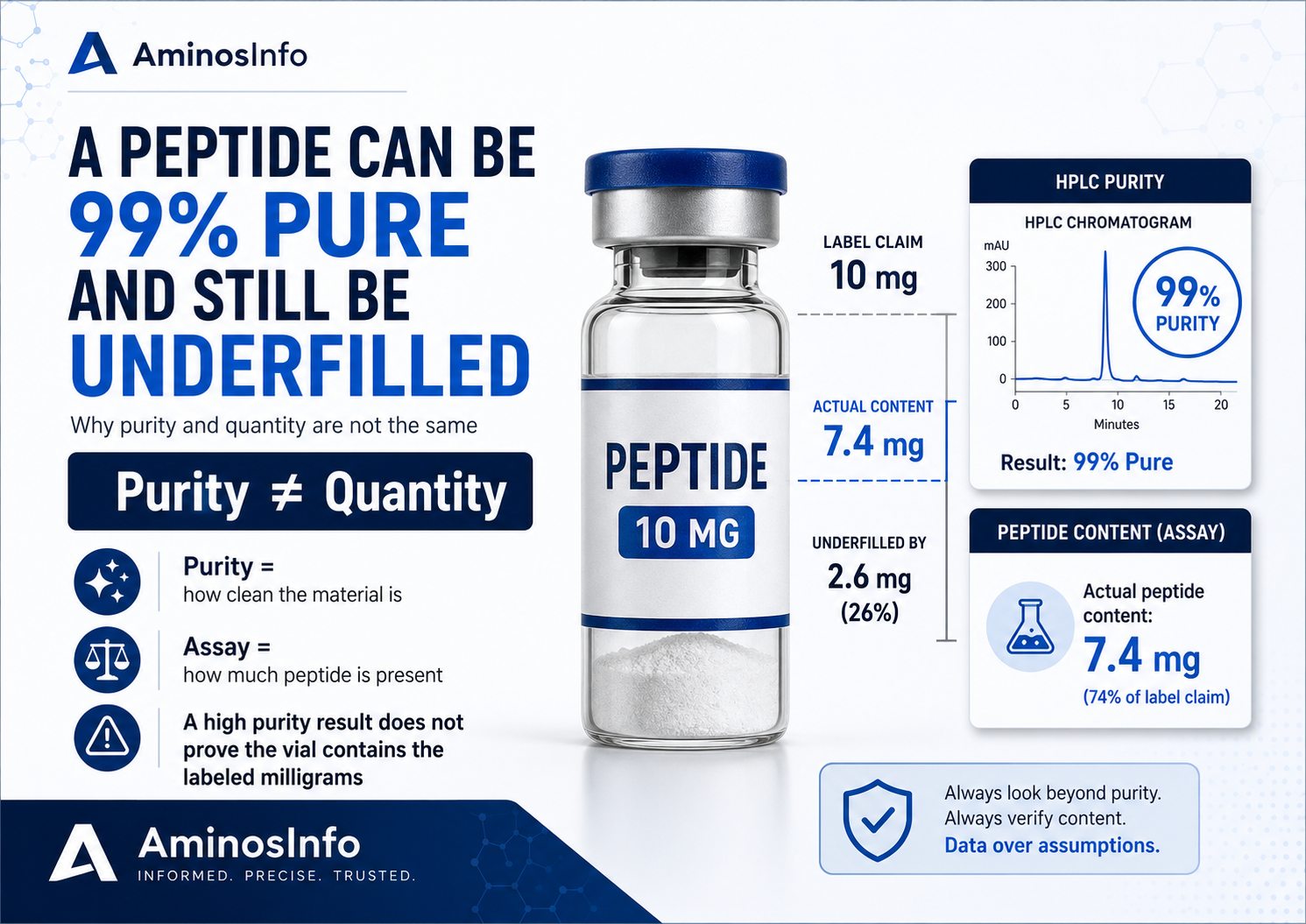
Purity tells you how clean the detected peptide material appears under a particular analytical method. It does not automatically tell you how many milligrams…